

The Importance of Senior Care Planning and Advocare Care
It is important for older adults to plan for the future to ensure that their needs are met in the later stages of life. This is where senior care planning and care management programs come into play. These services are …
Read More

The Importance of Having a Care Advocate On Call for Elder Care Management
Many seniors face unique challenges and needs as they navigate the aging process. That is why having a senior care advocate to help manage their care can make all the difference in their quality of life. This is where Advocare …
Read More
The Importance of Proactive Care Management for Seniors
As we age, our health and well-being become increasingly important. For seniors, staying on top of their health and managing chronic conditions is crucial for maintaining a high quality of life. This is where proactive care management comes in. By …
Read More

The Importance of Life Transition Care Management in South Florida
Life is full of changes and transitions, and as we age, these transitions can become more complex and challenging. Whether it’s downsizing to a smaller home, moving to a retirement community, or dealing with the loss of a loved one, …
Read More
The Benefits of Senior Placement Services for Your Loved Ones in South Florida
As loved ones age, it can become increasingly difficult for them to manage their daily tasks and maintain their independence. As a caregiver, you want to ensure your loved one receives the best care and support possible. However, with the …
Read More

Staying Active and Healthy: The Benefits of Senior Fitness Programs
As we age, prioritizing our health and well-being becomes even more important. Staying active is a cornerstone of maintaining a healthy lifestyle, especially for older adults. Many seniors might feel apprehensive about traditional exercise routines or unsure where to begin. …
Read More

The Importance of an Elder Care Coordinator: Advocare Care Management
As we age, our bodies and minds go through changes that may require additional care and support. This can be a challenging and overwhelming process for both the aging individual and their loved ones. Thankfully, there are professionals who specialize …
Read More

What is Medical Life Care Planning and How Can Advocare Care Management Help?
Understanding Medical Life Care Planning Many individuals may not be familiar with the term “medical life care planning” and what it entails. Simply put, medical life care planning is a comprehensive approach to assessing and managing the complex needs of …
Read More

Why Elder Care in West Palm Beach is Essential for Aging Loved Ones
Why Elder Care in West Palm Beach is Essential for Aging Loved Ones As our loved ones age, ensuring they receive the support and assistance necessary to maintain their independence and quality of life becomes increasingly important. In today’s bustling …
Read More

The Benefits of Having a Senior Care Expert by Your Side
Growing older is a natural part of life, but it can also come with its own set of challenges. For many seniors, managing their health, finances, and daily tasks can become overwhelming. This is where the services of a senior …
Read More

Understanding Heart Month: A Vital Campaign for Senior Health
Heart Month is an annual observance dedicated to raising awareness about heart health and cardiovascular diseases. Held every February in the US, this month-long campaign aims to educate people about the importance of maintaining a healthy heart and reducing the …
Read More

The Benefits of Home Care Management Programs for Seniors
As we grow older, we may find ourselves needing more assistance with daily tasks and medical care. For many, the thought of leaving home and moving into a nursing home or assisted living facility can be daunting. However, with home …
Read More

What is Medical Care Management and How Can It Benefit You?
Are you or a loved one facing a complex medical condition and feeling overwhelmed with managing appointments, medications, and navigating the healthcare system? If so, you’re not alone. Many individuals and their families struggle with managing medical care on their …
Read More

Navigating Medical Care Management in Delray Beach
In healthcare, the key to optimal well-being lies in personalized medical care management. Advocare Care Management, nestled in the vibrant community of Delray Beach, Florida, stands as a beacon of expertise in redefining healthcare coordination. Let’s explore how Advocare transforms …
Read More

Nurturing Memories: Compassionate Memory Care Services for Dementia
In the delicate journey of dementia, finding specialized care becomes a paramount concern. Advocare Care Management, situated in the heart of Delray Beach, Florida, emerges as a compassionate ally in the realm of memory care services for dementia. Let’s explore …
Read More

Incontinence – Huge Impact but We Do Little to Manage It
By Audrey Cochran It happens all too often, a woman falls and fractures her hip in the middle of the night while hurrying to the bathroom. Or a family is worn out from changing wet beds or getting up several …
Read More

Diagnosing Depression in the Older Adult
By Cathy Jo Cress, MSW Associate Geriatric Care Manager Santa Cruz, CA Although late-life depression is rampant among the elder population, it’s certainly not a normal part of aging. Rather it’s a serious but treatable illness that impacts those who …
Read More

Are You Ready? Just in Case: Emergency Readiness for Older Adults and Caregivers
By Connie Parsons Although seniors made up only 15% of the population of New Orleans before Hurricanes Katrina and Rita, according to Knight Ridder, 74% of the hurricane victims were older adults. These events served as a grim reminder that …
Read More

A Different Dementia: Different Challenges
by Sharon Mayfield, BSN This article demonstrates different challenges that caregivers and an experienced nurse are faced with when their loved ones/clients have an FTD (frontotemporal disorders). The behaviors associated with this disorder do not respond to the usual techniques …
Read More

National Safety Month: Keeping Yourself and Your Loved Ones Safe
June is National Safety Month and it’s the perfect time to focus on the safety of yourself and your loved ones. It’s important to take the time to consider all the risks that come with everyday life and how to …
Read More

Transforming Long-Term Care: The Culture Change Movement
By Julie Follo As America’s baby boomer generation ages into retirement and beyond, the nation’s long-term care system is changing to meet the needs and expectations of this burgeoning population. While nursing homes have traditionally been the cornerstone of our …
Read More
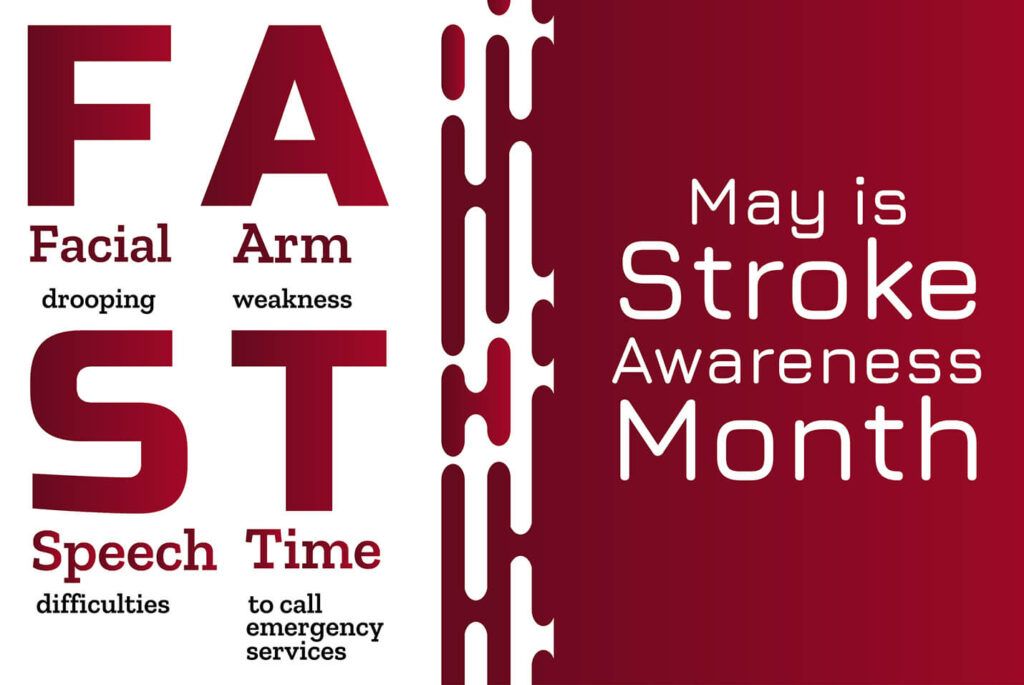
An Overview of American Stroke Awareness Month
May is American Stroke Awareness Month (ASAM). This is a time for individuals, families, and communities to raise awareness about the warning signs of stroke, how to reduce the risk of stroke, and how to provide care and support for …
Read More

Am I Being Effective?” — A Care Manager’s Lament!
Am I Being Effective?” — A Care Manager’s Lament! By Linda Fodrini-Johnson I heard the above question from one of my newer care managers, and then I saw a very seasoned care manager stressed over her client’s “non-compliance” – thus …
Read More

Dementia, Diabetes, Hypertension and Alcohol Abuse: A Case Study of Medical Co-morbidities
Dementia, Diabetes, Hypertension and Alcohol Abuse: A Case Study of Medical Co-morbidities Karen Knutson, MSN, MBA Michael B, a 63-year-old single retired business executive with dementia, diabetes, hypertension, and a history of alcohol abuse, living in Charlotte, North Carolina, was …
Read More

How to Utilize Technology with Care Management Clients
By Dianne Smith, RN, MA, CMC This article will provide insights into assessing needs and using technology that can help our clients to remain independent longer. Technology can be integrated seamlessly into a care management practice by care managers who …
Read More

Advance Care Planning: Advance Medical Directives, GCMs and Slow Medicine
By Judith Parnes LCSW, CMC Advance Directives have been widely viewed as the cornerstone of advance health care planning. They encompass both instructions about what kind of care can be provided and who can make the decisions if the individual …
Read More

Family Care Contracts
Family Care Contracts – Opportunities for Geriatric Care Managers and Our Clients by Deborah Liss Fins Most geriatric care managers will recognize the following scenario: Mr. and Mrs. K. are in their early 90s and live alone in their own …
Read More

Gifts That Say I Care
Debra Sorensen, MSW, CMC, Laurel Felsenfeld, BSN, RN, CRRN, CCM, Mark Felsenfeld, MA, CCCSLP, and Kay Paggi, LPC, CMC, NCGC Choosing a gift can be difficult, especially for persons with dementia or other disabilities. Families often ask us what would …
Read More

My Mother, Your Mother: embracing “Slow Medicine”
My Mother, Your Mother: embracing “Slow Medicine,” the Compassionate Approach to Caring for Your Aging Loved Ones by Dennis McCullough, Md Review by Sophia M. Heftler, RN, CALA Dr. McCullough’s book My Mother, Your Mother is a unique combination of …
Read More

Understanding Aging Within the Family System
According to statistics, more than 50 million people provide care for a chronically ill, disabled or aging family member or friend during any given year. (1) With the front edge of 75 million Baby Boomers now hitting sixty years of …
Read More

Pharmacology Issues among Geriatric Clients
The elderly make up 12.7% of the U.S. population, but consume 34% of all prescription medications. As patients age, they undergo biological changes that affect the way medications are absorbed, distributed throughout the body, and eventually eliminated. There are also …
Read More

9 Lifesaving Items Aging Parents Need
To keep your parents safe at home—and prevent falls and injuries—they need to have the right equipment on hand. Here are the essential items to help make your loved ones’ daily lives easier, less stressful, and more secure, plus what …
Read More

The Challenges of Care Management for a Younger Adult Female with Type I Bipolar Disease with Schizotypal features: A Case Review
Ms. H was a 59-year-old female referred to us by her legal team who was seeking an Emergency Temporary Guardianship. Based on reports from her out- of-state sister who was one of the petitioners, Ms. H had her first bipolar …
Read More

Hospital Bed—Signals Loss of Power
“I feel like I’m losing all my power.” “Everyone is making decisions for me.” Partner of a 40+ year relationship communicates these feelings as she watches her partner fail and the “professionals” move in. The hospice nurse tells her she …
Read More

Elderly Parents of Disabled Adult Children
If you have yet to encounter clients who are caring for a disabled adult child, read on, because inevitably you will. According to the Metropolitan Atlanta Developmental Disability surveillance study of 1991-1994, 18 of every 1,000 children born have developmental …
Read More

Geriatric Care Management Meets the Eden Alternative: An Emerging Opportunity and Evolution in Practice
For nearly two decades, the Eden Alternative™ and geriatric care management have been treading parallel paths on the long-term care continuum; both challenging conventional wisdom and practice, both seeking higher ground in quality service delivery, both demanding bold professional creativity …
Read More

Alzheimer’s Disease Co-morbidities
Alzheimer’s disease is a chronic, progressive neurodegenerative brain disorder that affects a patient’s memory, language, judgment, decision-making, planning, and organizing. Alzheimer’s disease (AD) remains the most common cause of dementia. There are currently 5.3 million Americans affected by the disease, …
Read More

My Mother’s Keeper: The “Personal Trainer”
After my mom’s stroke in 2005, her life shifted dramatically. Driving was no longer an option. On top of that, it became necessary for her to move from her husband’s condo (second marriage) to a more supportive community with socialization …
Read More

Family Care Contracts – Opportunities for Geriatric Care Managers and Our Clients
Most geriatric care managers will recognize the following scenario: Mr. and Mrs. K. are in their early 90s and live alone in their own home. Mrs. K. Is physically frail but cognitively intact following a stroke and requires assistance with …
Read More

Are Too Many Medications Making Your Patient Sicker?
Polypharmacy and Adverse Drug Events in Older Adults The last sixty years have witnessed an extraordinary growth in the number of medications for chronic health conditions at the same time that the average life expectancy has increased by over 10 …
Read More

Use of Nannycam for At-Risk Elder: A Case Study
Mrs. H was a 92-year-old woman who had no family, with her CPA named as her Medical and Durable Power of Attorney. The POA did not visit often and relied on me (her care manager) to see that her needs …
Read More

Generationally Savvy Communication that Improves Your Bottom Line
Effective communication in today’s multi-generational business world requires careful navigation. This is especially true in a workforce now comprised of four distinct generations – Millennials (Gen Y), Generation Xers, Baby Boomers, and Traditionalists – all of whom bring their own …
Read More

Key Players in Elder Care Scenes
“You stole my food! I’m hungry!” “No. I didn’t, grandma!” Yes, you stole my food!” “No, grandma, I would never steal your food!” “Yes, you did!” This conversation escalated to screams and tears. The elder and the young 10-year-old boy …
Read More

The Spirit-Side of Caring
Introduction While many facilities are embracing culture change and person-centered care for their residents, there is still low staff morale and high turnover. Too often when I visit my clients in long-term care environments, both the elders and the staff …
Read More

Old Age in a New Age, The Promise of Transformative Nursing Homes
Old Age In A New Age presents a history of nursing homes in America, the stigma and challenges they present today, and the case for needed reform. The focus of the book is on nursing homes, but also touches on …
Read More

Facilitation of End-of-Life Issues in the Face of Family Conflict
Approximately 70% of adult Americans have not completed any form of an advanced directive, often in the mistaken belief that their loved ones will know what they want when they are in a dire situation. All too often, even if …
Read More

The Challenges in Choosing an Assisted Living Facility
Assisted Living Facilities (ALFs) are environments for people who may need assistance with normal daily activities of daily living such as: bathing, grooming dressing, showering, laundry, cooking, transportation, house cleaning, and/or other personal care needs. As Care Managers we know …
Read More

Caring for the Caregiver
Caring for the Caregiver In recent years, advances in public health and medical science have contributed to the graying of the population. More seniors are alive today than at any other time in history and those numbers are growing. But …
Read More
A COVID Side Effect: A Rise In Fraud Cases
The Coronavirus has had many devastating impacts over the last two years, particularly among senior citizens. One problem the community may not have anticipated is a rise in COVID-19 related fraud cases, however, the FBI has recently warned individuals of …
Read More

Mindfulness-based Approaches for Elders and their Caregivers
Elders and their caregivers confront multiple, often simultaneous stressful challenges of loss, illness, and disability. Many are treated with Western medicine for pain and chronic conditions, which may be stress-related, often producing marginal results. In addition, studies now connect high …
Read More

Seven Strategies for Positive Aging
If you are living in your sixth decade or beyond, you have faced the reality that you are old and, as average life expectancy approaches the eighth decade, you will spend an appreciable portion of your life as a “Senior …
Read More

What Happens if My Parents Say No?
If you have a conversation on a sensitive subject, be ready for a “no.” It happens a lot. You may be trying to have a conversation about staying in the family home or just asking parents to think about what …
Read More

When to Hire a Geriatric Care Manager (And the Right Questions to Ask)
Your elderly mother is widowed and lives alone. You’re the only family member she has to care for her. Her long-time health problems have become debilitating. You know she needs help but, because you live far away, you don’t know …
Read More
What Exactly is Care Management Anyway?
As a director of a geriatric care management company, I am often requested to provide an overview our services. Because the role and scope of a geriatric care manager can vary greatly depending on the needs of the specific client, …
Read More

In Elder Care, Geriatric Care Managers Make a Difference
My mom is getting older and needs help with groceries, taking her medication at the right time, following her doctor’s advice. Yet, we live nearly 1,000 miles apart. I can’t pop over at a moment’s notice. Mine is not an …
Read More
Helping Senior Parents – Do it Yourself or Call a Professional?
We always figured it out ourselves. That’s how the “boomer” generation staked its claim as the most idealistic, independent, and accomplished generation of our time. Now, an entire generation of “adult kids,” is facing its greatest familial challenge – caring …
Read More
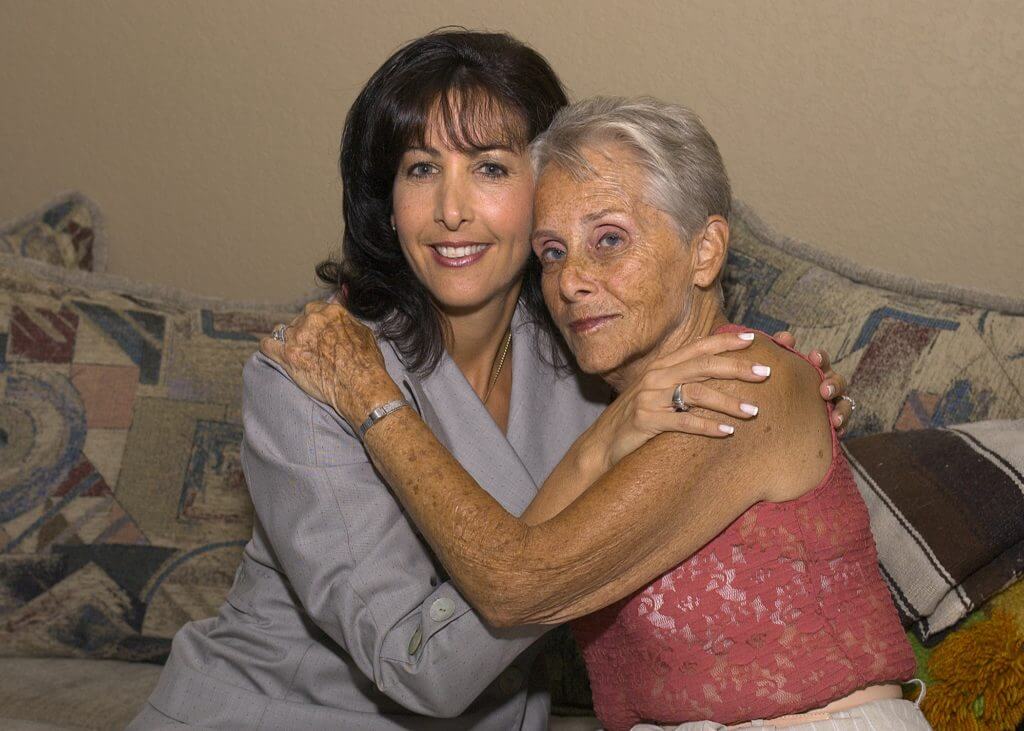
A True Advocate — The Story of Advocare
As a nurse for over 20 years in Broward County, Amy Seigel repeatedly saw seniors and their families struggling with their healthcare issues. More often than not, the elderly are navigating themselves through this maze alone. Rarely can they process …
Read More

Pandemic Relationships
Pandemic Relationships may be an odd title for a blog post, however, considering the unusual times we have been experiencing, it seemed worth addressing. Covid has brought about a strain on many of our relationships. Some of us may have …
Read More

Visiting Aging Parents
If you are like most of us, It’s been way too long since you have seen your parents. I trust you did your best with phone calls, emails, and zoom, but it’s just not the same as being there. There …
Read More

Dad With Alzheimer’s Still Remembers Favorite Song
Check out this heart-warming video of a father with Alzheimer’s who recognizes a song while in the car with his son:
Read More
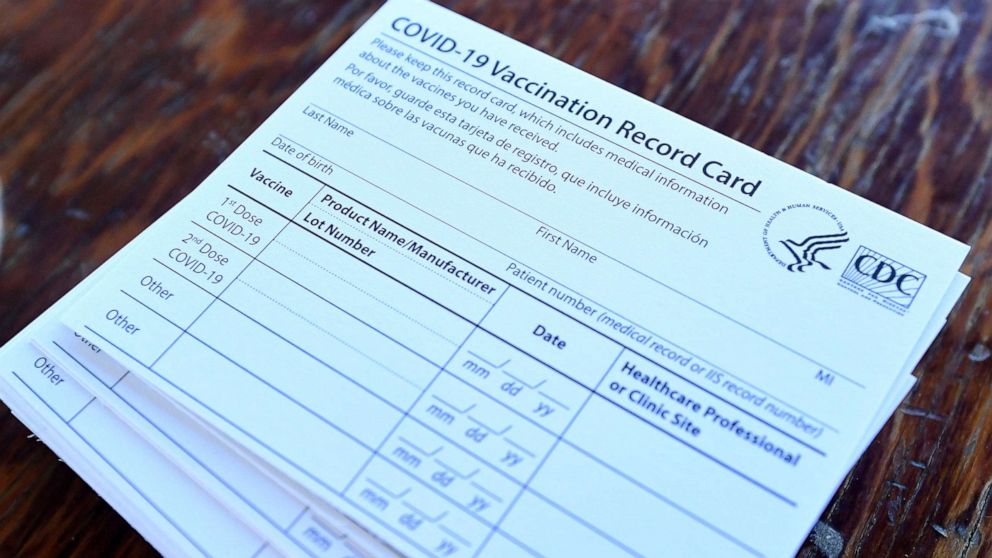
Keep Your COVID-19 Vaccine Card Off of Social Media
The COVID-19 vaccines are finally here and being distributed! We can all say that the light at the end of the tunnel is in the future. It may take time to get the majority of people vaccinated, but knowing that …
Read More

February is Marijuana Awareness Month
5 Ways Medical Marijuana Can Benefit the Senior Population: Up until the last decade, medical marijuana carried a stigma with it. People assumed that it was an aggressive addictive drug. However, with more and more scientific research coming out, the …
Read More
Happy Holidays and Best Wishes for the New Year!
Here’s an example of how are clients feel about us. … We are an extension of their family! Wishing everyone a happy and healthy holiday season!
Read More

Advocare Wants to Help You Celebrate Safely
We have virtual holiday ideas to ensure your loved ones feel connected! 2020 has proven to be one of the most challenging years in memory. But while the specter of COVID-19 lingers over just about every aspect of our lives, …
Read More

The Advocare Team is Thankful for…
Once November hits, there’s a different feeling in the air. It’s no secret that we are all excited for the Thanksgiving holiday and the ability to reflect on all that we are grateful for. Here at Advocare, our team is …
Read More

Are You or Your Loved One Ready to Retire Psychologically?
Larry and Marilyn have been married 65-years and relocated to south Florida from the northeast 15-years ago to retire, enjoy the warm weather and what they perceived as an easier way of life. Prior to retirement, Larry built a successful business over many years and the …
Read More
Home Care Management vs. Nursing Homes: What You Need to Know
Becoming a senior means it’s time to relax and enjoy the golden years. You have lived this long and probably want to spend your time making memories with your loved ones. The question here is where are you going to …
Read More
ARE YOU OR YOUR ELDER LOVED ONE WILLING TO PLAN FOR THE LONG-TERM?
David is an 80-year-old man who was born in Brooklyn, New York and is the eldest of four children. He always had a love of theater and from as far back as high school he was an active member of …
Read More

The Benefits to the Active Aging Senior Fitness Program
Fitness is one of those things that are important from the day we can walk, up until we take our last step. And no, the reason isn’t appearance or aesthetic related. Working out is beneficial for the body as it …
Read More

What is Transition Care Management in Palm Beach County, Florida?
As an aging adult, you may know about nursing homes, home care services, and medication management, but do you know about transition care management? To our surprise, many seniors we speak to have never heard of it. With all the …
Read More

Advocare is Here When You Need Professional Elder Care Services in South Florida
When it comes to taking care of an elderly relative that needs support due to mental or physical waning, the situation can sometimes become extremely taxing. The good news is that when you hire elder care services in South Florida, …
Read More

The Most Common Age-Related Issues Facing Elders in Miami
Many seniors in Miami are coping with at least one health condition these days, and some are even facing the challenge of living with multiple health issues. As a family member in charge of providing elder care, many people have …
Read More
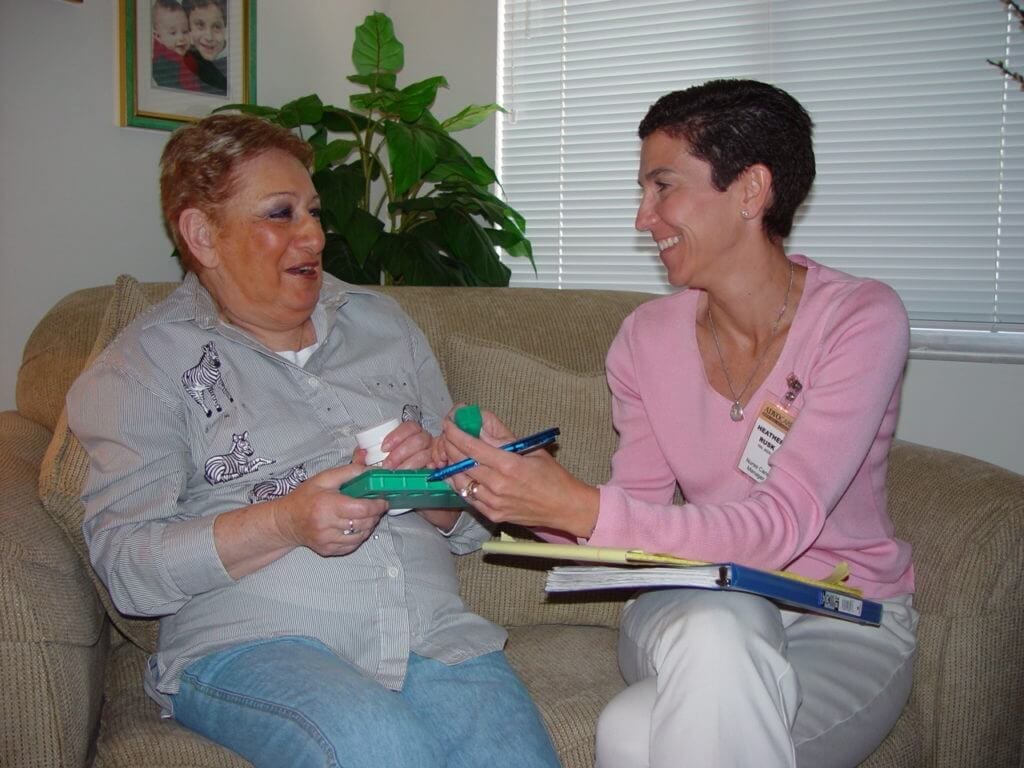
Why Home Care Management Is So Important In 2020
As an alternative to a facility or hospital care, top-notch in-home senior care has become more and more important in 2020. By providing experienced and professional services that elderly people need at home, proper home care management can significantly reduce the cost of care and …
Read More

Are You Prepared to Care for Your Adult Child with Mental Illness
Steven is a 63-year old single man who resides in the home he lived in with his mother and father before they each died. Throughout the years Steven lived with his folks and did not seem able to maintain employment since his mid-20’s. He …
Read More
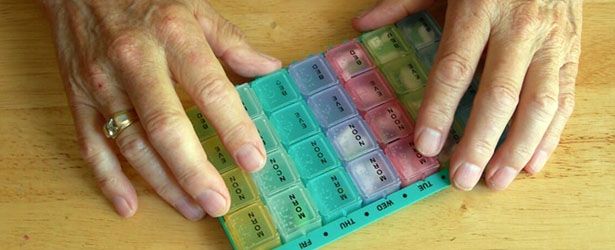
World Senior Citizen’s Day and Why You Should Care
Nowadays it seems as if there is a day for everything, everyone, and every food item. Some of these national or world celebrations are a little over the top, we will admit; however, World Senior Citizen’s Day holds a special …
Read More

‘When Is It Time to Become the Guardian of your Aging Parent?’
Evelyn, a 95-year-old woman, has lived on her own in the home she lived in with her husband until he passed 5-years ago. She and her husband were married for close to seventy years and were very devoted to each …
Read More

Should You Be Concerned About Finding The Best Senior Care Services in Miami?
As people age, they have a greater need for attention to the care and management of their daily lives. As the elderly population grows in Miami and more elders flow into our senior care world, there has been an obvious concern …
Read More

Is Your Client’s Mental Capacity Affecting Their Decision-Making Abilities?
Susan, a 69-year-old woman, lives with her sixth husband in a home that he owned before the marriage. She has struggled with undiagnosed mental health issues and drug addiction throughout her adult life. She has used marriage to have others take care of …
Read More

Are Health Insurance Choices Financially Impacting Your Aging Client?
It is no secret that getting older can bring on more health complications as our bodies age. Of course, not everyone will experience more medical issues, but many will. Doctor visits may increase, more prescriptions may be required, medical costs rise; all of which can have impact on one’s retirement budget. We are moving …
Read More
Are You Asking the Right Questions as A Trusted Adviser?
The internet is filled with endless information about a person with diminished capacity, dementia, Alzheimer’s disease, Parkinsonian dementia; the tell take signs, the do’s, and don’ts and so on. Books, booklets, pamphlets are dedicated to this disease. However, very little …
Read More

Your Aging Parents Deserve the Highest Quality Senior Care in Miami
It’s not unusual in 2020 to have to raise your own children and to also bear the responsibility of care for your elderly parents at the same time. Often trying to balance your work life and family life isn’t easy …
Read More
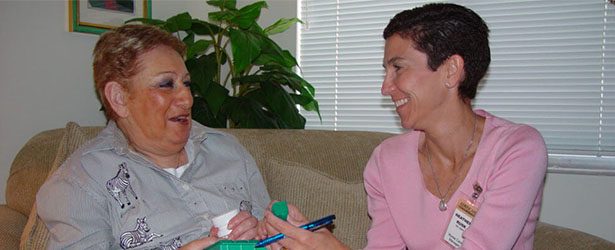
Getting The Most Nurturing Senior Care In Miami With Advocare
Part of getting the most nurturing care for seniors in Miami is making sure that they are nourished and nurtured in mind and body. Healthy cooking and healthy food provide the ultimate senior care for our aging loved ones in …
Read More

Seniors Who Receive Geriatric Care in South Florida Are the Most Vulnerable During COVID-19
The CDC, scientists, and virologists have discovered that senior citizens and the aging population are the most vulnerable to COVID-19. Those seniors who require senior care management in South Florida may be especially vulnerable because of a weakened immune system …
Read More

Alzheimer’s Disease and COVID-19
During this unprecedented time, many individuals with Alzheimer’s disease (AD) are homebound with their caregivers. How can clinicians help caregivers deal with common dilemmas under stay-at-home orders? We spoke with Marc Agronin, MD, a geriatric psychiatrist and Senior Vice …
Read More

Advice from the #1 Aging Life Care Specialists in South Florida
The COVID-19 virus has made this world a scary place to live in, and even more so for the senior population who seem the most vulnerable to catching the virus. Just imagine living alone and so vulnerable that you don’t …
Read More
Spread Kindness and Joy – Support Your Local Healthcare Workers & First Responders
I am honored to work amongst some of the most committed nurses and care management professionals that put taking care of others first each and every day! You are so appreciated by all the lives you touch…stay strong!!🙏😷💜- Amy, Founder …
Read More
How to Help Your Aging Parent Live the Best Life With Top Senior Care Services in South Florida
Today, with the advent of more advanced health care, diagnostic tests, and cutting-edge medications, people are living well into their 90s and even early 100s. So, with the large number of seniors living in South Florida, there is a growing …
Read More
Keep Seniors Safe from COVID-19 with Tips from the Most Professional Senior Care Management Company
The worldwide pandemic of COVID-19 is still gaining strength wreaking havoc on our citizens every day. Yet thankfully, there are many important things that scientists have learned about the behavior of this insidious virus that helps keep us from contracting …
Read More

What Are My Options for Elderly Care in South Florida?
There are many options when it comes to elderly care in South Florida. If you’ve been helping your parents but simply aren’t able to provide them the care and assistance they need, it’s time to contact our team at Advocare. …
Read More

Advocare: Your Choice for Integrated Senior Care Services in Miami
You can never really predict when you are going to need to find the best advocates to provide premium senior care services in Miami. Many times, families are not even certain of where to start when it comes to taking …
Read More

It’s National Aging Life Care Month! Let’s Continue to Care for Our Seniors
Providing the best available care to the aging community in South Florida and the rest of America has been a passion for concerned family members. At Advocare, we share the same passion and devotion to helping the elders in our …
Read More
Let Advocare Help With Elder Care Services
As you age, there are different options for how and where you live. Some people have the option to move in with their children, while others choose to move to an assisted living facility or a nursing home. Then there …
Read More

With Detail and With Expertise
When caring for an aging parent, our initial instinct may be to go into parental mode; to swap roles, now wanting to act as the caregiver that our parents once were for us. We may plan our parent’s day, organizing …
Read More
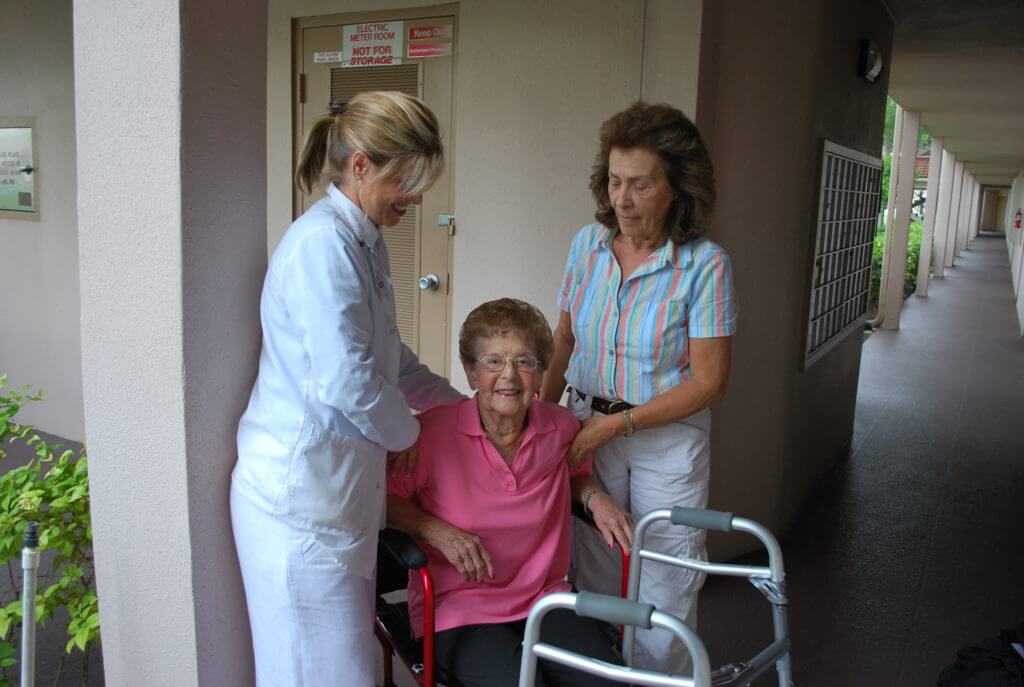
Care Coordinating and System Navigation
Historically, when health care coordination was considered for seniors, a major factor in determining if it was necessary was the severity of the health issues a senior may be dealing with. The focus has been on care for patients with …
Read More
To be Heard: Nurse Advocates Support and Protect Seniors in Miami
According to an article published in the Miami Herald, in 2015, nearly 50 nursing homes were added to Florida’s state “watch” list for marginal facilities. At the time, a third of Miami’s nursing homes were considered troubled. Carol Miller wrote …
Read More
Caring for Elder Parents During the Holidays
With the holiday season quickly approaching, families across the United States are making plans and gearing up for travel and celebrations. While many will enjoy the company of friends and family during the holidays, being together is not possible for …
Read More

How Can Family Members Deal with Elder Care in Miami?
When it comes to aging, it’s not an easy process. There are many complications and frustrations, as well as guilt, sadness, and fatigue. Often, the process can be more challenging for family members as they fight to figure out a …
Read More

What are the Options for Senior Care in Miami?
When our parents or grandparents get older, there’s no such thing as simple or easy. They may be angry that you’re making an executive decision to uproot them from their homes and move them into homes or professional care. Alternatively, …
Read More

What are the Benefits of Working with Advocare for Senior Care Services in Miami?
It’s not easy when our parents get older. There are many challenges that we must deal with, and many hurdles to be leapt over. Fortunately, you don’t have to go through this new life phase alone. At Advocare, we specialize …
Read More